
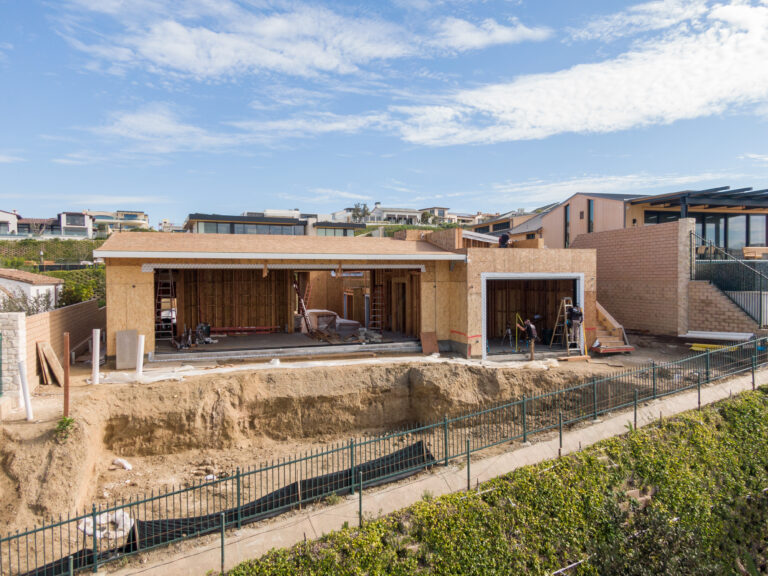
How Aerial Photography Helps Improve Communication on Construction Projects

Successful construction projects rely on more than skilled labor, quality materials, and careful planning. They also depend on effective communication. Whether the project involves building a custom home, renovating a commercial property, replacing a roof, or managing a large development, everyone involved needs a clear understanding of what is happening throughout the process.

Miscommunication is one of the most common reasons projects experience delays, misunderstandings, and unexpected costs. Homeowners may not fully understand the progress being made. Property managers may struggle to coordinate with contractors across multiple locations. Investors often rely on updates without having the opportunity to visit the site. Even architects and engineers can benefit from seeing the project from a broader perspective.

This is where aerial photography has become an invaluable communication tool.

Rather than replacing traditional progress updates, aerial photography adds context that ground-level images often cannot provide. It helps everyone involved see the same project from the same perspective, making conversations more productive and decisions more informed.

Why Communication Becomes More Difficult as Projects Grow

Construction projects involve many moving parts. Depending on the size of the project, communication may involve:

  • Homeowners
  • General contractors
  • Subcontractors
  • Architects
  • Engineers
  • Property managers
  • Real estate investors
  • Insurance representatives

Each person views the project through a different lens. A homeowner may be focused on overall progress. A contractor may be concentrating on scheduling trades. An architect may be reviewing design details, while an investor is monitoring timelines and budget.

Without a consistent visual reference, conversations often rely on assumptions or incomplete information.

Aerial photography creates a shared view that everyone can reference.

Seeing the Entire Project Instead of Individual Details

Traditional photographs are excellent for documenting specific areas of a project. They capture workmanship, materials, and individual construction details.

However, they often lack context.

A photograph of a newly installed roof does not show how it relates to the rest of the property. An image of completed framing does not explain how different sections connect together.

Aerial photography fills that gap.

By capturing the entire property from above, it becomes easier to understand:

  • Overall project layout
  • Areas that have been completed
  • Sections still under construction
  • Equipment placement
  • Material staging
  • Site accessibility
  • Relationship between structures

Instead of piecing together dozens of individual photographs, stakeholders gain a complete overview in a single image.

Helping Homeowners Stay Informed

Many homeowners cannot visit a construction site every day. Work schedules, travel, and safety restrictions often limit access.

Aerial photography helps bridge that gap.

Rather than relying solely on verbal updates, homeowners can see:

  • How the project has progressed since the previous update
  • Which phases have been completed
  • Changes to the overall property
  • Exterior improvements
  • Landscaping progress
  • Roofing work

Seeing actual progress often answers questions before they need to be asked.

It also helps homeowners feel more connected to their investment throughout the construction process.

Supporting Better Coordination Between Contractors

Construction projects require careful coordination among multiple trades.

Electricians, plumbers, roofers, concrete crews, framers, landscapers, and finish contractors all work within specific timelines.

Aerial imagery provides project managers with a clear overview that helps them coordinate scheduling and identify areas where work is progressing efficiently or where additional attention may be needed.

This broader perspective supports better planning without relying solely on written reports.

Improving Communication With Property Managers

Property managers often oversee multiple buildings or properties at the same time.

Traveling between locations can consume valuable time.

Aerial photography provides an efficient way to review exterior conditions without requiring constant site visits.

It also creates a visual record that can be shared with owners, maintenance teams, and contractors when discussing repairs, improvements, or long-term planning.

Helping Real Estate Investors Stay Connected

Many investors own properties in cities they rarely visit.

Regular aerial updates provide a straightforward way to understand how construction or renovation projects are progressing.

Instead of interpreting written summaries, investors can immediately see:

  • Construction milestones
  • Site organization
  • Exterior improvements
  • Overall project status

This visual confirmation supports more confident decision making throughout the project.

Giving Architects and Designers Valuable Perspective

Architects and designers spend significant time planning how a project should look and function.

As construction progresses, aerial photography provides an opportunity to compare the built environment with the original vision.

Viewing the site from above helps confirm:

  • Building orientation
  • Site layout
  • Parking areas
  • Landscaping progress
  • Relationships between structures

These broader views complement detailed inspections performed on the ground.

Creating Better Documentation for Insurance and Property Records

Construction documentation serves purposes beyond project management.

Insurance professionals often require clear visual records before, during, and after construction.

Aerial photography helps document:

  • Existing property conditions
  • Storm damage
  • Roof replacements
  • Exterior renovations
  • Structural improvements
  • Large-scale repairs

These records become valuable references long after the project has been completed.

A Shared Perspective Builds Better Conversations

One of the greatest strengths of aerial photography is its ability to create a shared understanding.

Instead of discussing individual photographs taken from different locations, everyone can reference the same overhead view.

This reduces misunderstandings because discussions are based on the same visual information.

Whether reviewing project progress, discussing site logistics, or planning future work, having a common point of reference makes communication more productive.

Combining Aerial Photography With Ground-Level Imagery

Aerial photography provides the big picture.

Ground-level photography provides the details.

Together, they create a complete visual record of a project.

This combination allows stakeholders to understand both the overall progress and the finer construction details without losing context.

For projects involving larger properties or multiple structures, this comprehensive approach offers a more accurate representation than either method alone.

If you’re interested in learning how aerial imagery also supports property marketing, read our article on The Benefits of Drone Photography for Real Estate Marketing.

Looking Beyond the Final Result

Construction is a process made up of thousands of decisions, conversations, and milestones.

The finished building tells only part of the story.

Aerial photography helps capture everything that happens along the way. It provides transparency, improves collaboration, and helps everyone involved understand the project from a broader perspective.

As projects become more complex and stakeholders become more connected, clear visual communication continues to play an increasingly important role.

Conclusion

Construction projects involve many people, each with different responsibilities and priorities. Clear communication helps keep those teams aligned, reduces misunderstandings, and supports better decision making throughout every phase of a project.

Aerial photography contributes to that communication by providing an accurate, comprehensive view of the site that everyone can understand. Whether the audience includes homeowners, contractors, property managers, architects, investors, or insurance professionals, having a shared visual reference creates stronger collaboration and a clearer understanding of progress.

As construction projects continue to evolve, aerial photography has become more than just a way to capture impressive images. It has become an essential communication tool that helps people stay informed from groundbreaking through completion.

keyboard_arrow_up